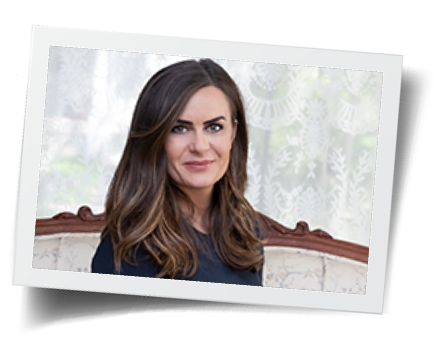
Knowing the ins and outs of estate planning
Rachel Schromen, attorney at Schromen Law LLC, wants clients to know that estate planning doesn’t have to be a long, complicated process.
In fact, it can prevent loved ones from going through that very thing down the road.
Whether it’s helping put together wills, trusts, healthcare directives or powers of attorney, Rachel wants clients to have peace of mind. Having a well-written estate plan means that no matter what happens, legal problems won’t add to what could already be a stressful situation.
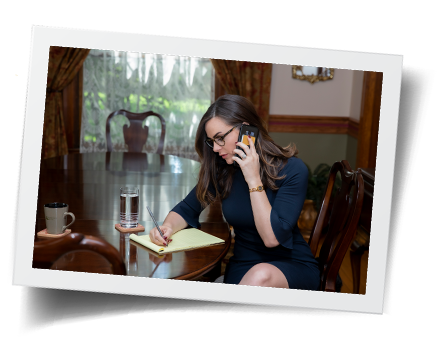
 Clients call me and there were not estate planning documents in place.
“I have clients call me and there were not estate planning documents in place or this planning wasn't done ahead of time,” Rachel said.
“What I end up with is a client who is grieving and now they're also overwhelmed by having to go through a court process and gather information and kind of figure things out that weren't planned ahead of time.”
So what are some of the must-knows around estate planning?
Wills and trusts
One of the most common questions clients come to Rachel with is whether a will or a trust is right for them.
There’s no one-size-fits-all solution for estate planning, so Rachel uses her initial meetings with clients to get a sense of what will be right for them.
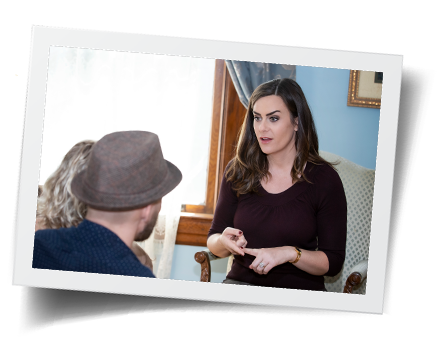
The first meeting is really an opportunity for me to learn their needs and goals.
“When clients come in to work with me, the first meeting is really an opportunity for me to learn their needs and goals. That’s what informs what documents or approach to planning make the most sense for them,” Rachel said.
“And we really work to identify those, talk about the pros and cons and the cost of different options. And then clients ultimately decide what next step they want to take.”
What are some of the key differences between wills and trusts? It comes down to what they can accomplish, Rachel said.
The process of putting together a will is simpler and less time consuming than a trust. They can also be less expensive.
A trust can allow for more control over assets and often allows for more protective measures to be put into place. Trusts might work well for blended families or those with property in multiple states.
But ultimately, it all comes down to the client’s specific needs.
“Whether or not a person needs a will or a trust is very fact specific,” Rachel said.
“It gets down to how their estate is comprised, what their concerns are, what they want things to look like when it comes time for the estate to be administered.”
Healthcare directives and powers of attorney
Rachel also stresses that an estate plan shouldn’t end with a will or trust. Healthcare directives and powers of attorney are just as important when planning for every possible scenario.
“Once a person turns 18, no one else has legal authority to make financial or medical decisions for them,” Rachel said.
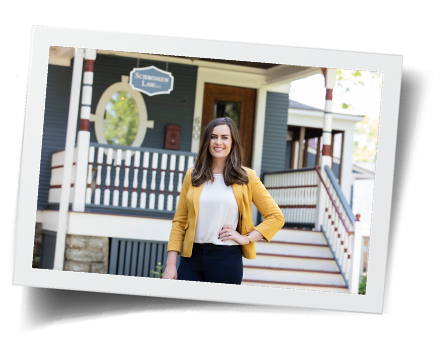
Once a person turns 18, no one else has legal authority to make financial or medical decisions for them.
While wills and trusts are often used to plan for what will happen when a person passes away, a healthcare directive lays out what should happen to someone if they are still alive but are unable to make medical decisions for themselves and appoints a person to be able to make those decisions.
A power of attorney designates an agent to make financial and legal decisions for someone – most often planning for a situation where they become unable to do so themselves.
Both of these documents are too often left out of conversations around estate planning, Rachel said.
“Everyone focuses on the will and the trust, and they focus on death,” Rachel said. “People assume incorrectly that a spouse or a parent will just be able to do X, Y or Z, and that’s absolutely not true.”