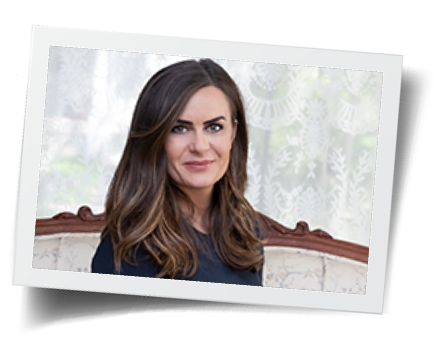
Changing the conversation around end-of-life planning
Rachel Schromen, attorney at Schromen Law LLC, has heard every reservation people have about end-of-life planning.
Clients often come to her worried the process will be cold, impersonal and complicated. She wants to change that.
‘I’m a human first’
End-of-life planning represents some of the most important decisions a person will ever make. Clients come to Rachel looking to create an estate plan for a number of reasons, from the birth of their child to a recent medical diagnosis.
But these issues are often emotional. And they aren’t always something people feel comfortable talking about, especially with an attorney. That’s why Rachel takes a different approach to these conversations.
“I often say to clients, ‘I'm a human first. I'm a lawyer second. I'm here to meet with you as a person, to help you through what challenges, needs or goals you have in this area,’” Rachel said.
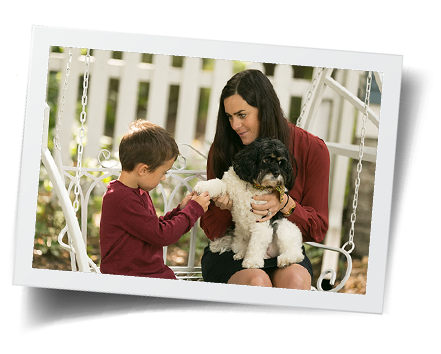
 I create a space that's accepting, nonjudgmental and open.
Taking this people-first approach has helped Rachel approach some of the issues clients might feel stigma around, whether it’s establishing a trust for a family member struggling with addiction or putting together an estate plan for a blended family.
“I create a space that's accepting, nonjudgmental and open. So people really do feel safe to come in and talk about things where there might otherwise be shame or embarrassment or guilt,” Rachel said.
“And nothing that they experience in my office will reinforce that shame, embarrassment or guilt.”
Changing the conversation
Rachel’s approach to her practice is also informed by years working with people in the end-of-life space in other capacities. In high school, she began volunteering in nursing homes. And in college, she developed a passion for preventing elder abuse, which ultimately led her to a career in estate planning.
She even has training as an end-of-life doula, volunteering with Our Lady of Peace Hospice to provide support and care to individuals on hospice and their families. And she had her dog trained as a therapy dog to enhance her hospice volunteering and to help clients feel more at ease during meetings, if needed.
“What that has all led to is an emotional intelligence in that space and the ability to navigate emotions that come up as part of the end-of-life planning process,” Rachel said. “It’s about being able to hold space for some of those emotions.”
And while Rachel believes that these methods have helped her have better conversations and put clients more at ease, it’s not the norm in her industry.
Looking to change the perception of what estate planning should look like, Rachel provides support and training to other attorneys on how to better work with clients during what can be an emotional process.
“The lawyers attending educational seminars I put on, or calling me with questions, often know the legal answer in the situation they are calling about,” Rachel said.
“I more often than not find myself encouraging attorneys to push their comfort zone when serving in this space – to show up in a holistically supportive way to their clients.”
Eliminating barriers
Sometimes the hardest part about the estate planning process is getting clients to take the initial leap and walk through the door of Schromen Law.
Some clients worry that cost will prevent them from accessing Rachel’s services. Or they simply might not know where to turn to first.
“A common misconception is that estate planning is expensive, and that it's only for wealthy people. People believe that whether or not they need estate planning depends on the size of their estate,” Rachel said.
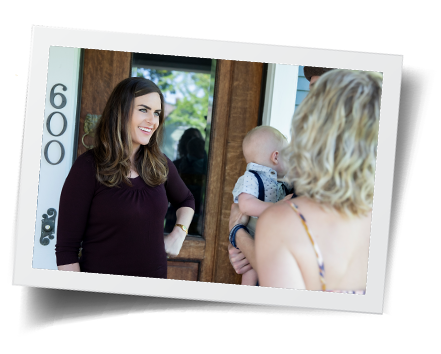
I want to encourage people to reach out and ask questions and have those initial meetings without fear of costs.
But Rachel stresses that having a well-written estate plan can prevent headaches and a lengthy, expensive probate process for family members for even smaller estates. And while cost can be a concern for many, Rachel has made sure her services can be affordable to smaller budgets, too.
Plus, Rachel doesn’t charge for initial meetings with clients.
“I want to encourage people to reach out and ask questions and have those initial meetings without fear of costs,” Rachel said.
“During the initial meeting… you will get walked through pros and cons. We will assess your needs, your goals, your questions about estate planning, and then at the end I will share with you what I recommend.”